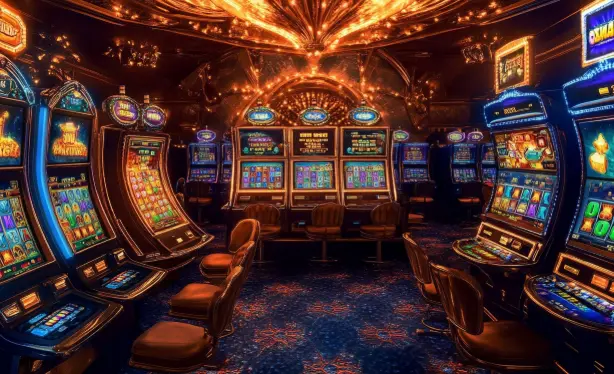
Norway Casino Floor: Are Casinos Legal?
Norway's gambling framework is a two-headed beast, and anyone who tells you the casino floor question is simple has never read the Lottery Act closely. The blunt reality: land-based casino operations are effectively banned, yet the country runs one of the most aggressive state monopolies on the planet. Understanding whether casinos are legal in Norway means separating physical gaming halls from the parallel universe of offshore digital platforms that Norwegian players access every single day.
The Lottery Act and the Monopoly Wall
The Norwegian Lottery Act grants exclusive rights to two state-controlled entities: Norsk Tipping for lottery and sports betting, and Norsk Rikstoto for horse racing. Private casino operations, including poker rooms and slot halls, fall outside this exemption and are therefore illegal on Norwegian soil. 🎰 Physical casino floors—the kind you find in Las Vegas or Macau—simply do not exist in the legitimate Norwegian market. The government's position is rigid: any private operator attempting to establish a casino floor faces criminal liability under the Lottery Act, with penalties including fines and imprisonment for organizers.
This is not a soft regulatory stance. Norwegian authorities have actively blocked payment transactions to offshore gambling sites and pushed for DNS-level restrictions. The Norwegian gambling monopoly is defended with the kind of ferocity you normally see in jurisdictions protecting a national oil reserve.
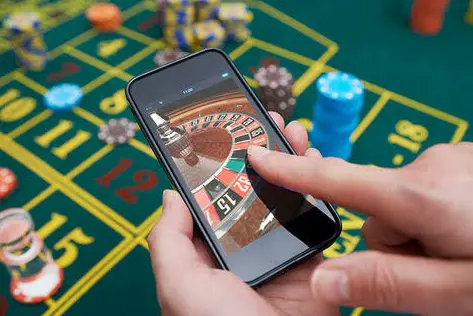
Offshore Casinos and the Grey Zone
Here is where the casino floor question gets interesting. While operating a casino inside Norway is illegal, Norwegian residents playing at offshore casinos is not a criminal offense. The law targets operators, not players. This creates a massive grey zone where international casino brands accept Norwegian players, offer NOK deposits, and provide the full casino floor experience—slots, blackjack, roulette—without a Norwegian license. The offshore casino market thrives precisely because the legal framework punishes supply, not demand.
But do not mistake tolerance for endorsement. The Norwegian Gaming Authority maintains a blacklist of unlicensed operators and has successfully pressured banks to decline gambling transactions. Players who win large sums at offshore casinos sometimes face withdrawal friction, not because the casino is illegitimate, but because the payment rails are deliberately throttled by Norwegian financial institutions. 🃏
Payment Blocking and Technical Enforcement
The enforcement mechanism is financial, not criminal. Norwegian banks are legally obligated to decline transactions coded as gambling when the recipient lacks a Norwegian license. This means the casino floor, for most Norwegians, is accessible only through e-wallets, prepaid cards, or crypto rails that bypass the banking blockade. The technical sophistication of this filtering system has increased dramatically since 2019, with transaction monitoring now flagging merchant category codes in real time.

What Actually Happens on the Ground
Walk through Oslo or Bergen and you will find no casino floor with table games and slot machines. You will find Norsk Tipping retail terminals, convenience store betting kiosks, and nothing else. The physical casino infrastructure that defines gambling tourism in other European countries is entirely absent. This is by design—the state wants all gambling revenue funneled through its monopoly, and private casino floors represent an unacceptable leakage point. 🎲
The Norwegian casino legal framework is therefore best described as prohibition with a digital loophole. Land-based casino operations: illegal and prosecuted. Offshore casino participation: legal for players, systematically obstructed at the payment layer. The casino floor exists, but only behind a screen and a VPN, and the Norwegian government is spending real money to keep it that way.
The Regulatory Trajectory
Norway has resisted EU pressure to open its gambling market, citing public health and problem gambling concerns. The monopoly model remains politically untouchable, and any legislative change would require dismantling Norsk Tipping's exclusive rights—a move no major party has championed. For operators eyeing the Norwegian market, the message is unambiguous: the casino floor stays offshore, the payment rails stay blocked, and the enforcement apparatus grows more sophisticated with each fiscal year.